

Cart
0
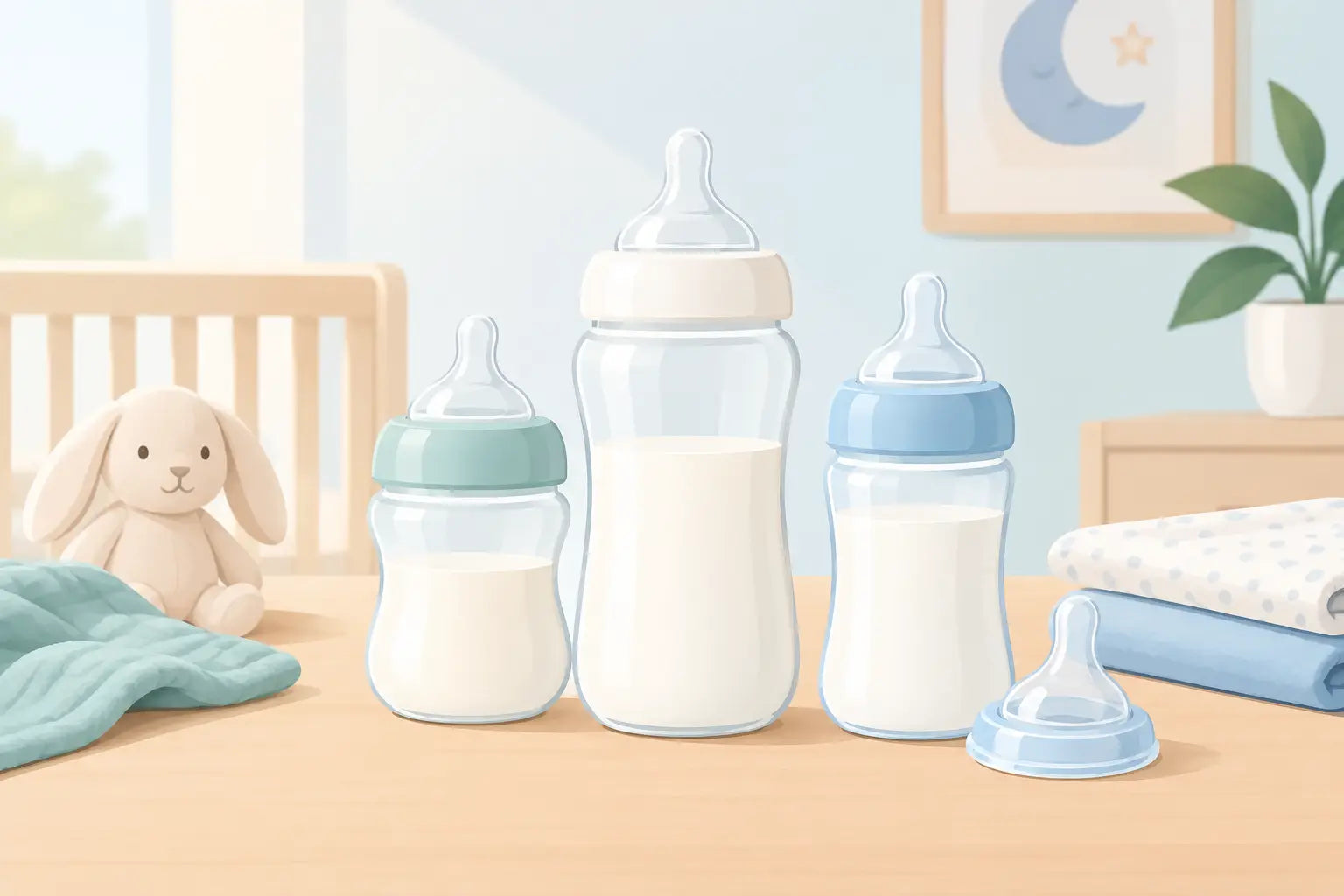
A bottle that leaks down your shirt at 3 a.m. can make even the sweetest feeding moment feel long. The right baby bottles will not make every feed perfectly predictable, but they can make daily routines calmer, cleaner, and more comfortable for both you and your little star. 🍼
For a newborn, a breastfed baby learning to take a bottle, or a growing infant ready for bigger feeds, there is no single best choice for every family. What matters is finding a bottle your baby accepts, that feels manageable in your hands, and that you can wash without adding extra stress to your day.
How to Choose Baby Bottles for Your Family
Start with your feeding routine, not the prettiest bottle on the shelf. Are you primarily bottle-feeding, combining nursing and bottles, pumping for childcare, or preparing bottles for travel? Your answer shapes what will be most useful.
New parents often do well with a small starter set rather than buying a full cabinet of one style right away. Babies can be surprisingly particular about nipple shape, flow, and bottle feel. Trying two or three bottles before stocking up gives you room to learn what works for your baby.
It is also helpful to think about who will be feeding your little one. A lightweight bottle can be easier for grandparents, caregivers, and older babies beginning to hold a bottle themselves. A wider bottle may be simpler to fill and clean. A compact shape may fit more neatly in a diaper bag or insulated bottle cover for errands and outings.
Pick a Material That Fits Your Routine
Most baby bottles are made from plastic, glass, silicone, or stainless steel. Each has a place, and the best material depends on what makes everyday care easiest for your family.
Plastic bottles are lightweight, affordable, and practical for daycare bags and travel. Look for bottles labeled BPA-free, and replace any that become deeply scratched, cloudy, cracked, or warped. Avoid harsh scrubbing that can wear down the surface over time.
Glass bottles have a smooth, durable surface and do not hold onto odors or stains as easily. They are often a favorite for parents who prefer fewer plastic items in their feeding routine. The trade-off is weight and breakability, though a protective silicone sleeve can provide better grip and added peace of mind.
Silicone bottles are soft, lightweight, and pleasantly squeezable, which some parents appreciate during feeds. Stainless steel options are sturdy and useful for certain families, especially on the go, but you will want to check whether the bottle design makes it easy to see how much milk remains.
No matter the material, follow the manufacturer’s age, heating, cleaning, and replacement guidance. A dependable bottle is one you can use correctly and confidently.
Match the Nipple Flow to Your Baby
Nipple flow can affect how comfortably your baby drinks. A flow that is too fast may lead to coughing, gulping, milk dribbling from the mouth, or a fussy feed. A flow that is too slow can leave a baby frustrated, pulling away often, or taking a very long time to finish.
Newborns usually begin with a slow-flow nipple. As they grow and drink more efficiently, they may need the next flow level. Still, age labels are only a starting point. Some babies stay with a slow flow longer, especially when breastfeeding is also part of the routine.
If you are combining breast and bottle feeding, a slower nipple and responsive, paced bottle feeding can help keep the experience comfortable. Hold your baby in a semi-upright position, keep the bottle more horizontal than vertical, and pause when your baby signals they need a break. Your baby should lead the pace whenever possible.
Nipple shape is personal, too. Standard, wide, angled, and breast-shaped nipples all work well for some babies. If feeding brings persistent discomfort, frequent coughing, poor weight gain, or regular vomiting, check in with your pediatrician rather than trying to solve everything with a new bottle alone.
Baby Bottle Sizes: Start Small, Then Grow
A smaller 4-ounce bottle is often convenient in the newborn stage, when feeds are more frequent and portions are smaller. It is easier to hold, takes up less room, and can reduce the temptation to prepare more milk than your baby is likely to finish.
Larger 8- or 9-ounce bottles become more useful as your baby’s appetite grows. Many families eventually keep both sizes: smaller bottles for early feeds or expressed milk and larger ones for longer outings and bigger daytime feeds.
The number of bottles you need depends on how often you want to wash. If you are using bottles for most feeds, having enough for a full day with a few extras can make life much easier. If bottles are occasional, a smaller rotation may be plenty. Remember that bottle parts matter too. Extra nipples, caps, and storage lids can save the day when one piece disappears under the kitchen table.
Vent Systems and Anti-Colic Features: Helpful, Not Mandatory
Many baby bottles include vents, valves, or internal tubes designed to reduce air intake during feeding. These can be helpful for babies who seem especially gassy or uncomfortable after meals. They can also create more parts to wash, dry, and reassemble.
That trade-off is worth considering honestly. A complex anti-colic system may be a wonderful fit if it helps your baby feed more comfortably. But if your baby does well with a simpler bottle, there is no prize for choosing more pieces. Happy babies and happy parents often come down to a routine you can repeat without second-guessing.
If a vented bottle suddenly starts leaking, check that every part is seated correctly and that the nipple is not torn or overly worn. Over-tightening the collar can also cause trouble with some designs. A quick inspection before a late-night feed is easier than changing a soaked onesie afterward.
Cleaning Baby Bottles Without Making It Complicated
Wash bottles, nipples, rings, caps, and any vent pieces after every feeding. Take the bottle apart fully so milk does not linger in small areas. Use warm, soapy water and a bottle brush reserved for feeding items, or clean the parts in a dishwasher if the manufacturer says they are dishwasher-safe.
Let parts air-dry thoroughly on a clean drying rack rather than wiping them with a kitchen towel. Towels can transfer moisture or germs, and fully dry parts are easier to store neatly.
Sanitizing needs can vary based on your baby’s age and health needs. For many healthy babies, careful washing is the everyday foundation, while sanitizing may be especially recommended before first use or when advised by your pediatrician. Babies born prematurely or with certain medical needs may require more specific precautions.
Check nipples regularly for cracks, stickiness, discoloration, or changes in shape. Replace them when they show wear or according to the product instructions. A small replacement can make a big difference in a smoother feed.
Make Feeding Away From Home Feel More Manageable
A little preparation turns a car ride, pediatrician visit, or family afternoon into a much less complicated feeding experience. Pack clean bottles with caps, extra nipples, bibs, burp cloths, and a dedicated pouch for used parts. A thermal bottle cover can help keep prepared milk at the appropriate temperature for a limited time, but safe storage still depends on the type of milk, temperature, and how long it has been out.
For powdered formula, many parents find it easier to carry measured powder separately and mix it with safe water when it is time to feed. Follow your formula instructions closely, including guidance for preparation and storage. Never microwave a bottle, since it can create hot spots that may burn your baby’s mouth. Warm it gently in warm water if needed, then swirl and test the temperature on your wrist.
At Best Baby Care Outlet, we believe the little details matter: a soft bib within reach, a dependable bottle in the diaper bag, and a feeding routine that lets you focus on those bright baby eyes. 💛
The right bottle may take a little trial and error, and that is completely normal. Choose a safe, easy-to-clean style, listen to your baby’s feeding cues, and give yourself permission to adjust as your family finds its rhythm. Every comfortable feed is one more small moment of care for your little star.

