

Cart
0
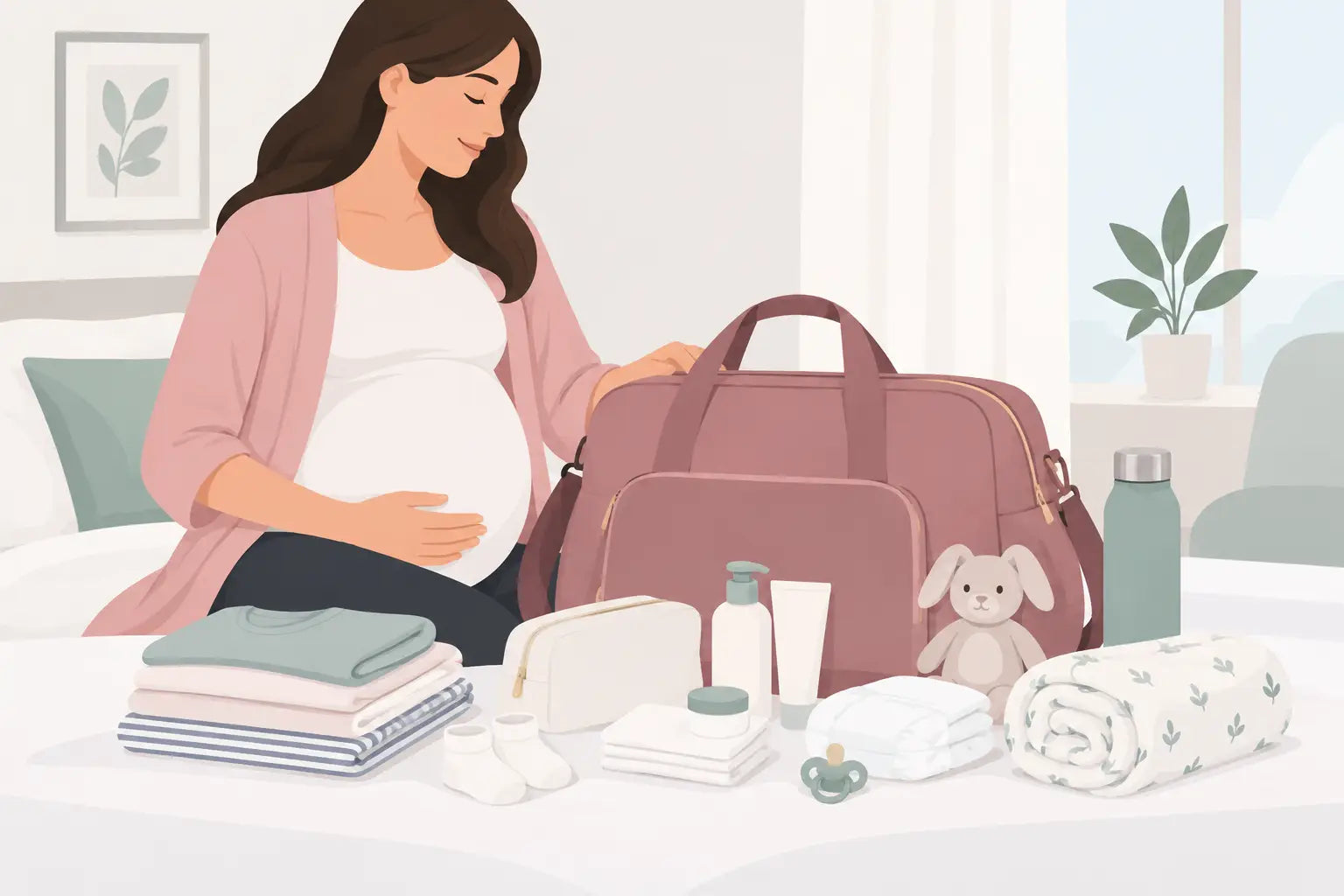
A hospital bag is not a test of how prepared you are for parenthood. It is simply a small collection of comforts for a big, unpredictable day. The best maternity hospital bag essentials help you feel clean, supported, and more like yourself while keeping your baby cozy for those first precious photos and the trip home. 💛
A good rule is to pack around 34 to 36 weeks, then keep the bag somewhere easy to grab. Hospitals provide many basics, but policies and supplies vary. A few familiar items can make labor, recovery, and your first night with baby feel far less overwhelming.
Best Maternity Hospital Bag Essentials for Labor
Labor looks different for every family. Some parents want a carefully planned environment, while others prefer to travel light and use what the hospital offers. Focus first on items that make you physically comfortable and help your support person stay useful.
Bring your photo ID, insurance card, hospital paperwork, and a written birth preferences sheet if you have one. Keep these together in an outside pocket so no one is digging through pajamas during check-in. Your phone, a long charging cable, and a small power bank are also practical. Hospital outlets are often farther from the bed than expected.
A refillable water bottle with a straw is a favorite for good reason. It is easier to sip from while resting than a traditional bottle, and staying hydrated can feel especially welcome during labor and recovery. Pack a few easy snacks for your support person, too. Granola bars, crackers, trail mix, and electrolyte packets can bridge the gap when the cafeteria is closed or a meal is delayed.
For comfort, consider a soft robe or loose button-front pajama set, warm socks with grips, lip balm, and hair ties or a headband. Hospitals can be chilly, and dry air can make simple comforts feel surprisingly valuable. A small fan may be worth packing if you tend to run warm, but it is optional. Some parents love it during labor; others never take it out.
Music, a calming playlist, or a familiar pillowcase can help a hospital room feel less clinical. Skip bringing expensive jewelry, large amounts of cash, or anything you would worry about misplacing. Your attention belongs on your care and your baby, not on keeping track of valuables.
Recovery Items That Make a Real Difference
The first days after birth can be tender, tiring, and beautifully intense. Whether you have a vaginal delivery or a cesarean birth, loose layers and easy-access toiletries will serve you well.
The hospital usually supplies postpartum pads, disposable underwear, peri bottles, and basic pain-relief support. Ask what is provided before you buy duplicates. Still, many parents prefer to bring their own high-waisted postpartum underwear, extra-large pads, or a gentle peri bottle for added comfort once they know what they like.
Choose soft, dark-colored pajamas or a nightgown that feels easy to change in. A button-front or nursing-friendly style can make skin-to-skin time and feeding more convenient. Add a cozy cardigan or robe, because body temperature can shift after delivery. Slip-on shoes or shower sandals are helpful for walking the hall and using the shower safely.
Your toiletry bag does not need to be elaborate. Think of the items that make you feel refreshed: a toothbrush, toothpaste, face wash, deodorant, moisturizer, dry shampoo, a hairbrush, and glasses or contact supplies. If you wear contacts, pack your glasses too. After a long labor, your eyes may appreciate the break.
If you are having a planned cesarean, prioritize high-waisted underwear and very loose pants or a gown that will not rub against your incision. If you are planning a vaginal birth, you may appreciate a sitz-bath-friendly toiletry routine for home, but it does not have to live in your hospital bag. Pack only what you are likely to use in the first day or two.
What to Pack for Your New Little Star
Hospitals commonly provide diapers, wipes, a receiving blanket, and basic newborn care while you are there. Your baby mainly needs an approved car seat for the ride home and a few soft, weather-appropriate clothes. Those tiny first outfits are exciting, but newborns do not need a suitcase. 🍼
Pack two or three newborn-size outfits plus one or two 0-3 month options. Babies vary so much in size that having both gives you flexibility. Look for soft cotton bodysuits, footed rompers, or two-piece sets with easy snaps or zippers. Choose clothes that do not need to pull tightly over the head, especially while you are still learning those gentle first changes.
A lightweight swaddle or baby blanket is lovely for photos and for the car ride, but do not use bulky coats or thick snowsuits beneath car seat straps. In cold weather, dress baby in thin layers and place a blanket over the secured harness after buckling them in. In warm weather, a light cotton layer is usually plenty.
Bring a newborn hat only if the weather calls for it or your hospital recommends one for the trip home. Babies are often given hats in the hospital, and indoor overheating is just as uncomfortable as being chilly. A soft blanket, a simple going-home outfit, and an installed car seat cover the true basics.
Feeding Supplies: Keep Them Simple
If you plan to breastfeed, the hospital can usually provide support and help you learn positioning. You may want a nursing bra, nursing pads, and nipple balm, but you do not need to pack every feeding accessory you own. If you have a breast pump, ask your hospital whether bringing it is useful. Many parents wait until they are home unless they need help fitting their personal pump.
If you plan to formula-feed, tell your care team. Hospitals often have ready-to-feed options and can show you safe preparation practices. Bringing a preferred bottle style may provide peace of mind, though newborns can be particular and needs can change. The goal is a fed, cared-for baby - not a perfectly curated feeding setup on day one.
Pack for Your Support Person, Too
A support person who has slept, eaten, and charged their phone can offer steadier care. Pack a change of clothes, basic toiletries, snacks, a water bottle, and a light sweatshirt for them. If they plan to stay overnight, add a small pillow and blanket if hospital bedding for guests is limited.
This person can also hold the bag checklist, handle parking information, and be the point person for family updates if you want one. Agree ahead of time about photos, visitors, and when you would like quiet time. A little planning protects those first hours for bonding instead of notifications.
A Simple Way to Organize Your Hospital Bag
Use one medium duffel, weekender, or roomy diaper bag rather than several loose bags. Pack toiletries in a zip pouch, baby clothes in a separate small pouch, and documents in an easy-to-reach pocket. Labeling sections can help your partner find what you need without asking you ten questions while you are resting.
Keep the car seat installed before labor begins, and practice adjusting the harness with a doll or rolled blanket. The chest clip should sit at armpit level, and the harness should be snug enough that you cannot pinch extra webbing at the shoulder. If you are unsure, many local fire departments, hospitals, and child passenger safety technicians offer guidance.
Before you zip the bag, take out anything packed only because someone online said it was essential. Full makeup kits, multiple outfits, stacks of newborn shoes, and elaborate décor can stay home unless they genuinely matter to you. The best bag reflects your needs, your birth plan, and the comfort items that help you feel cared for.
Your baby will not remember the robe, the snacks, or the perfectly folded swaddle. You will remember the warm weight of your little one, the first deep breath after meeting them, and the kindness you showed yourself by preparing with care. Pack the practical basics, leave room for flexibility, and let the rest unfold one sweet moment at a time. Happy babies, happy parents. 💛

