

Cart
0
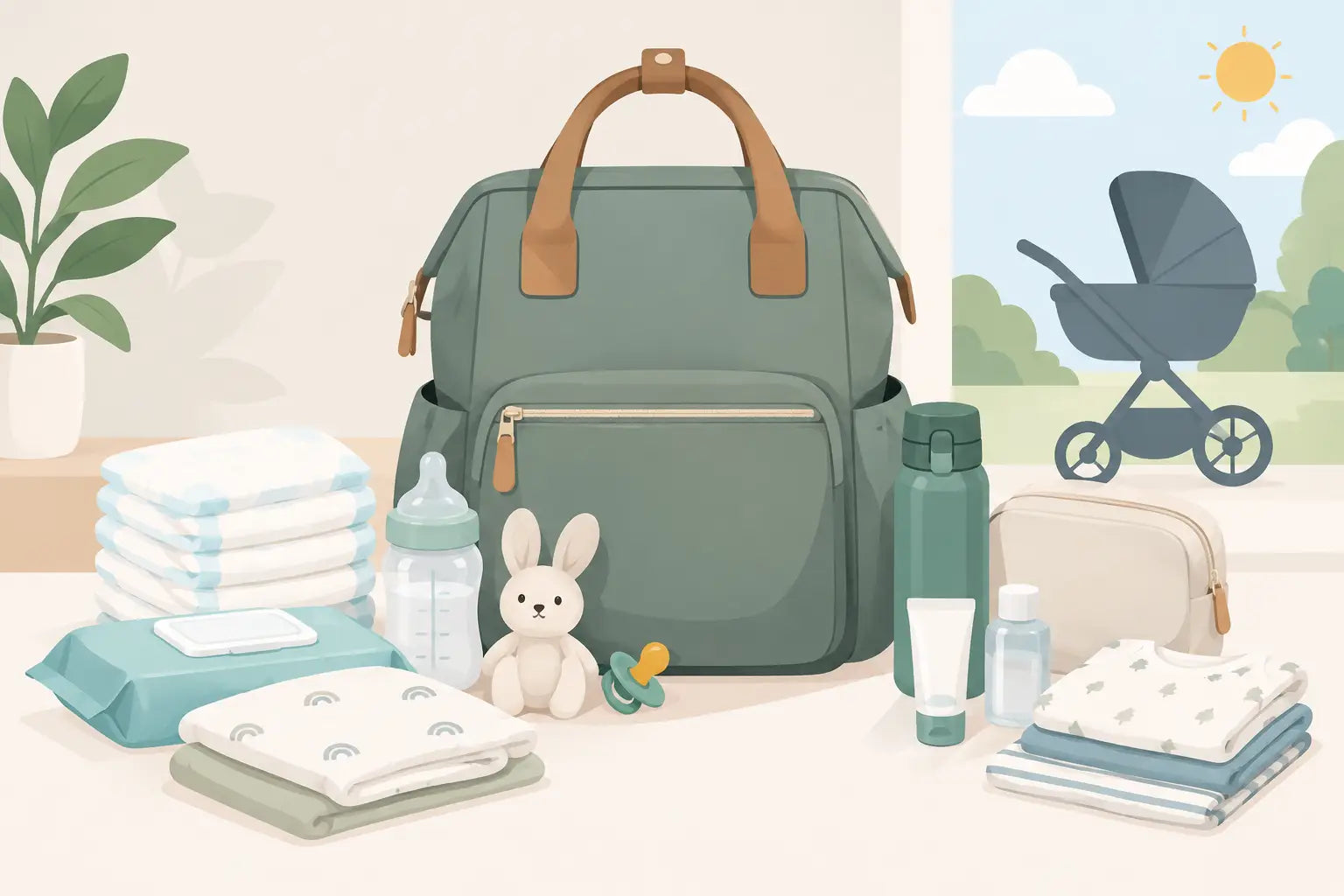
The moment your baby has a blowout halfway through a grocery run, the little things in your diaper bag suddenly feel very big. A spare outfit, wipes within reach, and a clean spot for a diaper change can turn a stressful scramble into a quick reset. Learning how to pack a diaper bag is less about carrying everything you own and more about creating a calm, dependable system for your family. 💛
A well-packed bag supports real life with baby: the short coffee run that becomes a long walk, the feeding time that arrives early, and the surprise spill five minutes after you leave home. Start with your usual routine, then adjust for your baby's age, the weather, and how long you plan to be out.
Start With a Bag That Works for Your Family
Before filling every pocket, consider how you actually travel. A roomy backpack-style diaper bag can be wonderful when you need both hands for a stroller, car seat, or busy toddler. A tote may suit a quick trip or parents who prefer easy access from the top. For longer outings, look for separate compartments, secure closures, comfortable straps, and a wipe-clean lining.
The best layout is one you can use while tired, distracted, or holding a baby. Keep everyday items in the same place each time. When diapers always live in one pocket and feeding supplies always sit in another, you will not have to empty the whole bag to find what you need.
It also helps to think of the bag as two layers. The first layer holds items you may need quickly, such as wipes, diapers, and a pacifier. The second holds backups and less frequent needs, including an extra onesie or a lightweight blanket. This simple setup keeps the essentials close without making the bag feel like a suitcase.
How to Pack a Diaper Bag by Category
Packing by category makes restocking easier and helps prevent duplicates. You can use small zip pouches or built-in pockets to create sections, but there is no need to buy extra organizers if your bag already has a layout you like.
Diapering supplies
For a short errand, bring enough diapers for the expected outing plus two extras. For longer days, plan for roughly one diaper every two to three hours, with additional backups for younger babies. Add a travel pack of wipes, diaper cream, disposable changing pad liners or a changing mat, and sealable bags for dirty diapers or wet clothes.
Keep one diaper and a few wipes in an outer pocket if your bag allows. That small shortcut matters when you are changing baby in a cramped restroom or from the trunk of the car.
Feeding essentials
What belongs here depends on how your baby eats. If you are breastfeeding, pack nursing pads, a burp cloth, and a light nursing cover if it makes you more comfortable. If you use bottles, bring prepared bottles only when they can be stored safely, or carry pre-measured formula and clean water according to your pediatrician's guidance and the formula instructions.
For babies eating solids, include a bib, baby spoon, silicone snack container, and an age-appropriate snack in a small container. A portable feeding set can save space while keeping crumbs and spills more manageable. Do not forget a burp cloth, even after the newborn stage. It is useful for milk dribbles, sticky hands, and an unexpected surface cleanup.
Clothes and comfort
Pack one complete change of clothes for baby, including socks if the weather calls for them. For newborns and babies prone to spit-up or leaks, two changes may be the smarter choice. Roll an outfit together rather than packing separate pieces, so you can grab one bundle quickly.
Add a soft blanket or swaddle that can work as a cozy layer, stroller cover, play surface, or nursing cover. The right choice depends on the season. A breathable cotton layer is often enough for warm days, while colder weather may call for a warmer option. Avoid overpacking bulky layers if you will be indoors most of the time.
Health, soothing, and parent basics
A small pouch for health and soothing items keeps the little necessities from disappearing. Include hand sanitizer, tissues, baby-safe sunscreen when age-appropriate, and any medication your child needs. Check with your pediatrician about what medicines are suitable for your baby's age and how they should be carried.
Bring a pacifier if your baby uses one, ideally with a clean spare in a protective case. A small favorite toy or teether can also buy you a peaceful few minutes in a waiting room or checkout line. Finally, make room for your own essentials: phone, keys, wallet, water, and a snack. Happy babies need cared-for grown-ups, too.
Match the Bag to the Length of Your Trip
A ten-minute pickup and a full afternoon away should not require the same packing list. For a quick outing, keep it light: a few diapers, wipes, changing supplies, a spare outfit, and one feeding or soothing item may be enough. A compact ready-to-go kit can make these short trips feel much easier.
For a half-day outing, add more diapers, extra feeding supplies, a second outfit, snacks for older babies, and a blanket. If you will be outside, consider weather protection such as a sun hat or an extra layer. Think about the destination, too. A visit to the park calls for different items than a doctor's appointment or a family dinner.
For travel days, pack for delays rather than the ideal schedule. Carry extra diapers, more food than you think you will use, a complete backup outfit, and several sealable bags. If you are flying, keep the must-have items in your personal item so they remain available even if you store the larger bag overhead.
Avoid the Overpacking Trap
New parents often pack for every possible situation, and that instinct comes from love. Still, a bag that is too heavy can be frustrating to carry and difficult to search. The goal is prepared, not overwhelmed.
Skip full-size products when a travel-size option will do, and leave specialty items at home unless you know you will need them. You probably do not need five toys, three blankets, and a complete wardrobe for a one-hour outing. Let the destination guide your choices.
There is one exception: items that are hard to replace when you are out. If your baby relies on a particular bottle, comfort item, medication, or sensitive-skin product, pack a backup. Those are the extras that can genuinely protect your peace of mind.
Restock After Every Outing
The easiest way to keep a diaper bag ready is to reset it when you get home. Toss used wrappers and wipes, remove soiled clothes, refill diapers, and replace anything that was used. Put this routine near the door, alongside charging your phone or setting out tomorrow's clothes.
A quick weekly check is also helpful. Look for supplies that have run low, clothes that no longer fit, forgotten snacks, and seasonal needs. Wipe down the interior when needed, especially after leaks or crumbs. Fresh, organized supplies make every outing feel a little more manageable.
If another caregiver regularly takes baby out, show them where everything belongs. A clear, simple system means a partner, grandparent, or babysitter can find what they need without calling you from the parking lot.
A Diaper Bag Should Make Life Feel Lighter
Your diaper bag does not have to be perfect, color-coordinated, or packed exactly like someone else's. It needs to support your baby and make you feel ready for the day ahead. Choose soft, practical essentials, give each item a home, and adjust as your little star grows. With a few thoughtful supplies close by, you can spend less time searching for wipes and more time enjoying the outing together. Happy babies, happy parents. ✨

