

Cart
0
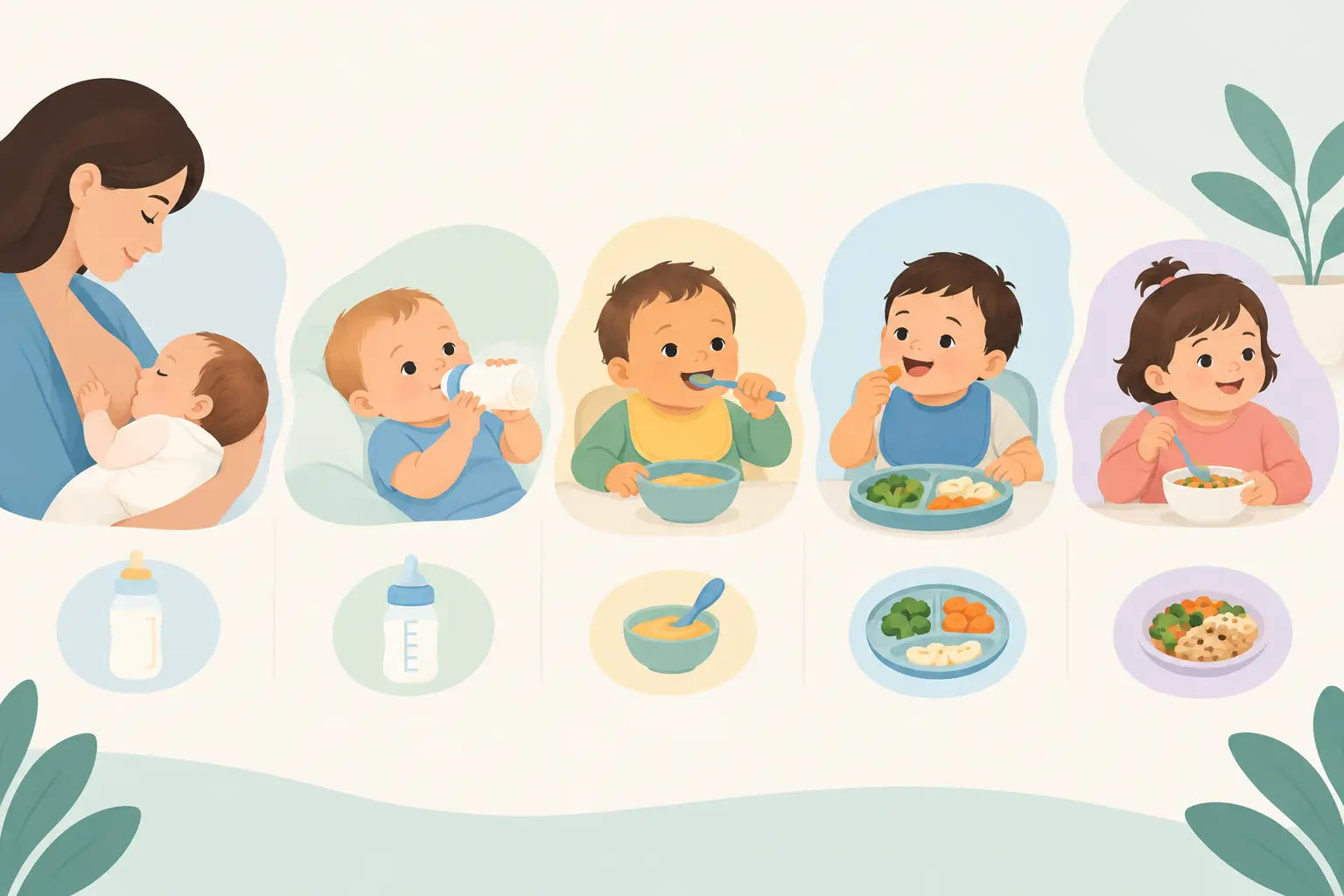
A feeding schedule can feel like the answer to a long day of guessing: Was that cry hunger? Should baby have eaten more? When will the next bottle be? The reassuring truth is that infant feeding schedules are best used as a gentle rhythm, not a strict clock. Your little star’s appetite can change with age, growth spurts, sleep patterns, and whether they are breastfed, formula-fed, or beginning solids.
The goal is not to make every day look identical. It is to help your baby feel comfortably fed while giving you a little more confidence, planning room, and peace of mind. Happy babies, happy parents. 💛
Why Infant Feeding Schedules Are Flexible
Newborns have tiny stomachs and big needs. They eat often because they can only take small amounts at one time. As babies grow, they usually feed less often and take more at each feeding, but even then, appetite can vary from day to day.
A schedule should support responsive feeding. That means offering milk or food when your baby shows hunger cues, rather than waiting for the exact minute on the clock. A day may shift because of a long nap, an outing, a warm afternoon, or a developmental leap. That is normal.
If your baby was born early, has trouble gaining weight, has reflux, or has a medical condition, follow the feeding plan provided by their pediatrician. Babies who are very sleepy or have not regained their birth weight may need to be woken for feeds, especially in the early weeks.
Feeding Schedules From Birth Through 12 Months
Every child is different, but these age ranges offer a practical starting point for planning feeds, bottles, and the supplies that make them easier.
Newborn to 2 Months
Most newborns feed about 8 to 12 times in 24 hours when breastfeeding. Formula-fed newborns often eat every 2 to 3 hours, commonly taking about 1 to 3 ounces per feeding in the beginning. Some babies cluster feed, especially in the evening, which can mean several close-together feeds followed by a longer stretch of rest.
In this stage, follow cues more than the clock. Rooting toward a hand or chest, sucking on fists, lip smacking, and becoming more alert are early signs of hunger. Crying is usually a later cue, so it can help to offer a feeding before baby becomes very upset.
Keep nighttime essentials within reach: clean bottles, burp cloths, bibs, and a soft blanket for those cozy post-feed snuggles. A simple setup can make overnight care feel much more manageable.
2 to 4 Months
Many babies begin taking slightly larger feedings and may settle into a more predictable pattern. Breastfed babies may still nurse 7 to 9 times in 24 hours. Formula-fed babies may take around 4 to 6 ounces every 3 to 4 hours, though the right amount depends on the child.
You may notice longer sleep stretches at night, but not every baby will follow the same timeline. Avoid adding cereal to a bottle to encourage sleep unless your pediatrician specifically advises it. Babies do not need solids simply because they are waking overnight.
4 to 6 Months
At this age, milk remains the main source of nutrition. Many formula-fed babies take roughly 4 to 8 ounces per feeding, while breastfed babies may nurse about 5 to 8 times a day. A baby who is growing well may naturally space feedings farther apart.
Some babies are ready to begin solids close to 6 months, but readiness matters more than a birthday on the calendar. Look for good head control, the ability to sit with support, interest in food, and less of the tongue-thrust reflex that pushes food out. Talk with your pediatrician before introducing foods, especially if your family has allergy concerns.
6 to 8 Months
Once solids begin, think of them as practice, discovery, and a new sensory experience. Breast milk or formula still comes first, with solid foods added around milk feeds. Many babies start with one small meal a day and gradually work toward two or three meals as interest and skills grow.
Offer soft, age-appropriate foods in safe textures. Smooth purees, mashed foods, and appropriately prepared soft finger foods can all have a place, depending on your feeding approach and your baby’s development. A silicone spoon, suction bowl, easy-clean bib, and high-chair-friendly feeding mat can make the learning phase less stressful for everyone.
8 to 12 Months
By this stage, many babies enjoy three meals and one or two snacks alongside breast milk or formula. Milk is still an essential part of the diet through the first year. Your child may nurse 3 to 5 times daily or have several formula bottles, with the exact pattern varying widely.
Meals can include a variety of iron-rich foods, fruits, vegetables, grains, proteins, and healthy fats. Continue offering small sips of water in an open cup or straw cup with meals if your pediatrician agrees. Cow’s milk should not replace breast milk or formula as the main drink before age 1.
A Sample Day for an Older Baby
For a baby around 8 to 10 months, the day might include a morning milk feeding after waking, breakfast later in the morning, another milk feeding before or after a nap, lunch, an afternoon milk feeding, dinner with the family, and a final milk feeding before bed.
This is only an example, not a rule. Some babies want milk before solids because they are very hungry. Others eat better after a small milk feeding and a little playtime. Watch your child’s energy, appetite, and diaper output to find the rhythm that feels right.
Hunger and Fullness Cues to Trust
Your baby is an excellent communicator, even before words. Early hunger cues include turning toward you, opening the mouth, bringing hands to the mouth, or becoming more active. During feeding, a relaxed body and steady sucking or swallowing often mean things are going well.
Fullness cues matter, too. Your baby may turn away, slow down, close their mouth, push the bottle or spoon away, become distracted, or simply seem content. It is okay if they do not finish every bottle or every bite. Encouraging a baby to keep eating after they signal they are done can make feeding feel pressured.
For bottle-feeding, try paced feeding. Hold baby in a semi-upright position, keep the bottle more horizontal, and pause occasionally so they can notice fullness. Never prop a bottle or leave a baby alone with one.
Making Feedings Easier at Home and Away
A little preparation helps feeding moments feel calmer. At home, keep a small station stocked with washed bottles, nipples, burp cloths, bibs, and a place to set down a clean spoon or utensil. When you head out, a roomy diaper bag with an insulated bottle section and a portable snack container can save the day.
Choose feeding essentials that suit your family’s real routine. Some parents need extra bottles for daycare. Others value soft silicone utensils for baby-led feeding, waterproof bibs for messy meals, or thermal bottle covers for errands and travel. At Best Baby Care Outlet, practical feeding pieces are selected to bring comfort, convenience, and a little more joy to everyday care.
When to Call the Pediatrician
Reach out to your child’s pediatrician if your baby has fewer wet diapers than expected, repeatedly refuses feeds, vomits forcefully, seems unusually sleepy, has trouble breathing during feeds, has poor weight gain, or shows signs of dehydration such as a dry mouth or no tears when crying. Trust your instincts. You know your baby best.
Feeding your little one is not about getting every ounce, meal, or minute exactly right. It is the loving rhythm of noticing, responding, and learning together. Keep your supplies close, follow your baby’s cues, and let each small, well-fed moment remind you that you are doing meaningful work. ✨

