

Cart
0
Last Updated: October 31, 2026
Quick Summary
To choose comfortable newborn rompers made from cotton, check the fabric weight and weave, the fiber content listed as a percentage, and the closure style. Lightweight single jersey suits summer layering, while denser interlock holds its shape through repeated washing. Size up between sizes and prefer height-based sizing over month labels.
- Fabric weight is measured in grams per square meter and signals how thick a cotton knit is.
- Single jersey is thin and stretchy, while interlock is denser and smoother for frequent washing.
- A stretchy envelope neckline on pullover styles helps clear a newborn's head without forcing.
- Size up when between sizes, especially on pullover styles with no adjustable closure.
- Wash cotton rompers cold on a gentle cycle and skip the dryer to limit shrinkage.
Table of Contents
- What Makes a Cotton Newborn Romper Comfortable
- Five Cotton Newborn Rompers Worth Comparing
- Organic Cotton Baby Clothes: What the Certification Actually Tells You
- Newborn Romper Sizing: Fit, Room to Grow, and the Size Chart Trap
- Easy-Change Baby Rompers: Snaps, Zippers, and Dressing a Wriggler
- Washing, Shrinkage, and Value Over Time
- Picking Your First Cotton Rompers at Best Baby Care Outlet
- Frequently Asked Questions
What Makes a Cotton Newborn Romper Comfortable
Comfortable newborn rompers made from cotton start with three things: the right fabric weight, a weave that breathes, and a label that tells you exactly what you're putting against your baby's skin. Below, we'll show you how to read a romper label, so you can tell soft from scratchy before it arrives.
"100% cotton" on a tag tells you the fiber content, but not necessarily how the garment will feel.
Fabric Weight and Weave: Why Not All Cotton Feels the Same
Fabric weight is the measure of how thick and dense a cotton knit is, usually expressed in grams per square meter. A lightweight jersey knit drapes and stretches; a heavier interlock holds its shape. For newborns, ordinary-thickness cotton is the practical middle ground: warm enough for a onesie, light enough to layer.
Weave matters just as much. Single jersey is thin and stretchy, which helps it move with a wriggling baby. Interlock is denser and smoother, so it holds up better to repeated washing. Neither is "better" in the abstract. Match the weave to the season and how often you plan to wash.
Skin Sensitivity and What to Check on the Label
Newborn skin is thin and loses moisture faster than adult skin, so rough seams and scratchy tags cause more irritation than most parents expect. Check these things on the label:
- Fiber content listed as a percentage, not just "cotton"
- Whether the item is described as pure cotton or a blend
- Care instructions that match how you actually do laundry
- Seam placement, especially at the neck and under the arms
Watch out: a romper can be 100% cotton and still feel harsh if the yarn is coarsely spun. Fiber content is the starting point, not the finish line.
Five Cotton Newborn Rompers Worth Comparing
Here's how the five cotton rompers in our current lineup compare by sleeve length, closure style, and price. For a curated roundup of the best organic cotton baby rompers, see our dedicated guide.
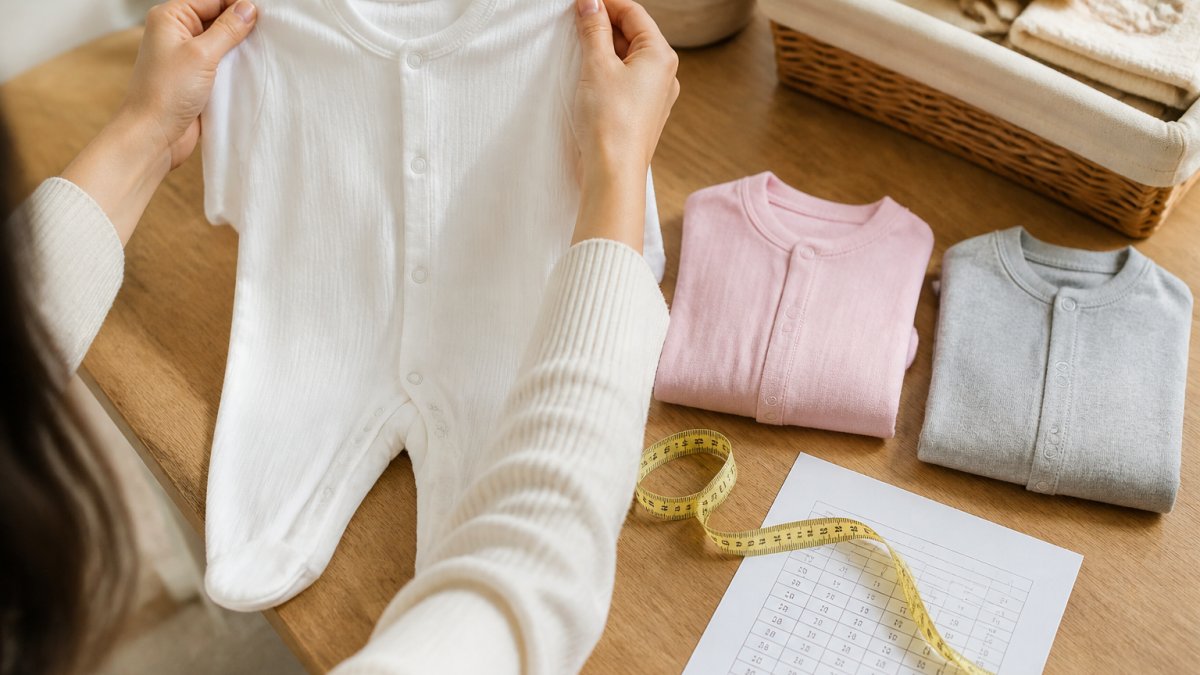
Pure Cotton One-pieces Baby Rompers ($10.41) come in white, pink, gray, and black with short sleeves and a pullover closure, sized from 0-3 months through 18-24 months. The ordinary-thickness cotton suits summer wear and easy layering. The pullover neckline is the key detail here: a stretchy envelope opening lets you widen the collar to clear a newborn's head without forcing fabric over the face, which is the single biggest dressing complaint on pullover styles.
Baby Pure Cotton Rompers Baby's Romper ($10.00) is the lowest-priced option here, with short sleeves and a pullover close in ten color combinations. Note that the listing flags Asian sizing running one to two sizes smaller, so size up if your baby lands between sizes. At this price, expect a lighter single-jersey knit, fine for summer, but it will show wear faster than a denser interlock if you wash daily.
Baby Rompers Jumpsuit Newborn Clothing ($20.25) is the pick for anyone who wants a zipper instead of a pullover. It's 100% cotton with full sleeves and an O-neck collar, and the listing states it fits true to size.
Baby Romper Cotton Short Sleeve Rompers Coating ($9.95) is the cheapest romper in the group, pure cotton with short sleeves in red and white, sized 0-3M through 9-12M and listed for all seasons. The "coating" in the name refers to a finish on the fabric rather than a waterproof layer, confirm the care label before washing, since coated cottons can behave differently in a dryer.
Spring And Autumn Baby Jumpsuit Pure Cotton Rompers ($11.34) brings long sleeves and a long-climbing style in cotton, sized by height at 23, 26, 29, and 32 inches. It's the one we'd reach for in cooler months. Sizing by height rather than months is actually the more reliable system for newborns, because length tracks fit better than age does in the first twelve weeks.
Quick Comparison: Price, Sleeve, and Closure at a Glance
| Romper | Price | Sleeve | Closure | Size Range |
|---|---|---|---|---|
| Pure Cotton One-pieces | $10.41 | Short | Pullover | 0-24 months |
| Baby Pure Cotton Rompers | $10.00 | Short | Pullover | 0-24 months |
| Baby Rompers Jumpsuit | $20.25 | Full | Zipper | True to size |
| Short Sleeve Rompers Coating | $9.95 | Short | Pullover | 0-12 months |
| Spring And Autumn Jumpsuit | $11.34 | Long | Long climbing style | By height, 23-32 in |
Cotton Type and Construction: What Separates These Five
All five are listed as cotton, but "cotton" on a listing covers a wide range. Three things actually separate them:
- Knit type. Single jersey is the thin, stretchy knit most short-sleeve rompers use; it moves well but pills faster. Interlock is denser and smoother, holds its shape through repeated washing, and is the better choice if you plan to wash daily.
- Fiber length and spinning. Long-staple cotton spins into a smoother, stronger yarn than short-staple cotton, which is why two 100% cotton rompers can feel completely different. Listings rarely state staple length, so use price and knit density as proxies.
- Certification. None of these five listings state organic certification.
Organic Cotton Baby Clothes: What the Certification Actually Tells You
Organic cotton baby clothes carry a certification that verifies how the fiber was grown and processed, not just what the tag claims. In the United States, the USDA Organic labeling standards set the rules: a product labeled "organic" must meet the USDA's production and handling requirements, and "100% organic" means exactly that.
That distinction matters when you're comparing labels. "Made with organic cotton" can mean a minority of the fiber is organic. "100% organic" leaves no room for interpretation.
Certification doesn't guarantee a romper will fit or feel right, though. Treat it as one filter among several, alongside fabric weight and closure design.
Newborn Romper Sizing: Fit, Room to Grow, and the Size Chart Trap
Newborn romper sizing runs on two different systems, and that's where most parents get burned. Some rompers size by age in months; others size by height in inches. Our Spring And Autumn Jumpsuit, for instance, lists 23, 26, 29, and 32 inches rather than months.
Pure Cotton One-pieces Baby Rompers →
The trap is assuming a 0-3 month label means three months of wear, since newborns grow quickly.
The Diaper Variable Most Size Charts Ignore
A size chart measures a flat garment, but a diapered newborn is not flat. A typical disposable diaper adds noticeable bulk at the waist and between the legs, which is why a romper that fits a bare baby can feel tight across the crotch once diapered. Two habits help:
- Measure your baby's height and weight before ordering, not after, and add a diaper to the equation when you check the rise (the distance from the shoulder or crotch seam to the waist).
- Size up when between sizes, especially on pullover styles, because a pullover has no adjustable closure to buy you slack.
Room to Grow Comes From the Closure, Not Just the Size
What most guides miss is that room to grow comes from the closure, not just the size. A pullover with a stretchy envelope neckline buys you more wear time than a snug zip, because the neckline stretches to clear the head even as the body gets tighter. A zip romper with a full-length zipper gives you more adjustability at the legs but less give at the shoulders. Snap closures at the inseam let you open just the leg openings for a change, which keeps the chest covered in a cold room.
A few habits that save returns:
- Measure your baby's height and weight before ordering, not after
- Size up when between sizes, especially on pullover styles
- Check whether the listing notes a sizing conversion, since some run smaller than standard
- Buy two sizes when you're close to a growth spurt
- Prefer height-based sizing over month-based sizing when both are offered
A Practical Fit Check When the Romper Arrives
Before you wash anything, do a dry fit: the neckline should clear the head without forcing, the crotch should not pull tight over a diaper, and the sleeves should reach the wrist without bunching. If any of those fail, return it before washing, most retailers will not accept washed garments, and cotton knits can shrink on the first wash, turning a borderline fit into a too-small one.
Easy-Change Baby Rompers: Snaps, Zippers, and Dressing a Wriggler
Easy-change baby rompers come down to one question: how fast can you get a diaper changed at 3 a.m.? Zippers win on speed, snaps win on partial changes, and pullovers win on simplicity.
Zipper closures open the whole front in one motion, which helps with middle-of-the-night changes. The trade-off is that you're undressing more of the baby in a cold room. Snap closures let you open just the leg openings, which keeps the chest covered. Pullover styles have no hardware at all, so there's nothing to catch on skin, but they require threading a baby's head and arms through fabric.
If easy changing is your priority, our short sleeve cotton romper with a coating finish is worth checking for its closure design before you commit.

Washing, Shrinkage, and Value Over Time
Cotton shrinks, and a romper that fits perfectly on day one can be snug after five washes. Expect some shrinkage in the first few cycles, especially with pure cotton knits, and wash cold to limit it.
Care habits that protect your investment:
- Machine wash cold on a gentle cycle
- Skip the dryer or use low heat
- Wash inside out to protect color retention
- Skip fabric softener, which coats fibers and reduces breathability
Look at seam quality and how the fabric recovers its shape. For more on layering baby clothes for changing weather, see our guide.
Picking Your First Cotton Rompers at Best Baby Care Outlet
Start with short-sleeve pullovers for everyday wear and add a long-sleeve option for cooler days.
Ready to build yours? Browse our pure cotton one-piece baby rompers to see current colors and sizes.

Frequently Asked Questions
What features make a newborn romper comfortable?
Look for a romper whose label lists cotton as the main fabric rather than a blend with a high synthetic share. Short sleeve cotton rompers in ordinary thickness suit warm rooms, while long sleeve versions suit cooler days.
How should a newborn romper fit?
A newborn romper should sit close but leave room for a diaper and for stretch. You want to be able to slide two fingers under the leg opening and see a little slack at the shoulders. Some listings note that Asian sizes run one to two sizes smaller than US sizing, so size up if your baby falls between two sizes. Measure your baby's height and compare it to the size chart before ordering.
Are cotton onesies and rompers good for babies?
Cotton is a common fabric for baby clothing. The main thing to watch is fabric weight: ordinary-thickness cotton suits indoor wear and summer. Wash new rompers before the first wear and follow the care instructions to limit shrinkage.
How do you wash cotton baby rompers so they last?
Check the care instructions on each listing before washing, and wash new rompers separately the first time.
Choosing newborn clothing shouldn't feel like a research project. Best Baby Care Outlet curates soft cotton rompers with clear fabric details, honest size ranges, and closures that make diaper changes faster. Our catalog focuses on safety, comfort, and style, so you can spend less time comparing labels and more time with your baby. Get started with Best Baby Care Outlet and find cotton rompers that fit right the first time.

